Key Takeaways
- Pick one AI image tool to start with (DALL·E 3 or MidJourney)
- Write 3 detailed prompts for your next project
- Generate and review at least 5 images
- Edit the best one (add logo, text, etc.)
- Use it in a real post, ad, or pitch
What Does ‘The Quality of Images 2 Continues to Impress’ Actually Mean?
Let’s clear something up — “the quality of images 2 continues to impress” isn’t a product name. It’s a phrase that’s been popping up all over tech forums, Reddit threads, and even investor calls. It refers to the insane leap in realism and usability we’ve seen from second-generation AI image generators.
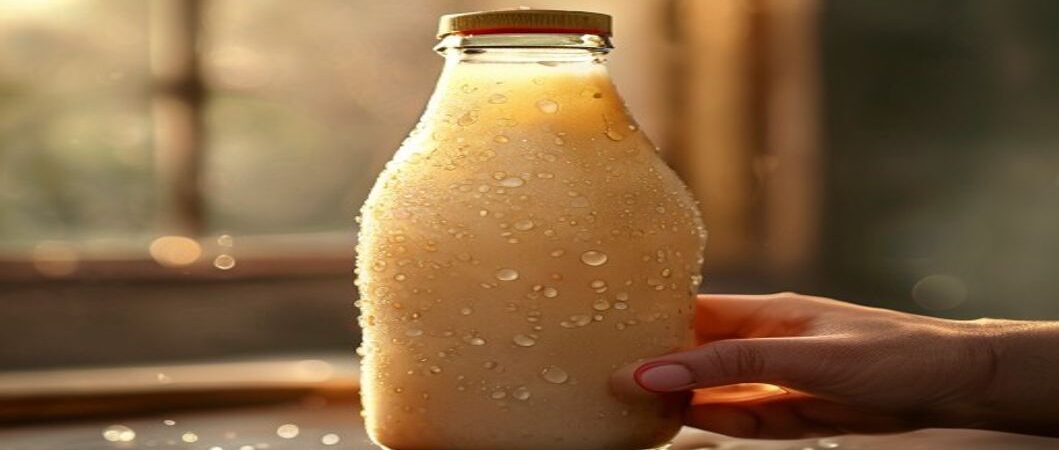
Back in 2022, I tried using AI to design labels for my 쌀막걸리 brand. The output? Cartoony. Misshapen bottles. Text that looked like scribbles. Useless. Fast forward to early 2024, and I generated a near-photorealistic bottle shot — bamboo cap, rice paper label with Korean calligraphy, even the faint reflection on the glass. I used it in a pitch deck. No one asked if it was AI.
That’s what people mean when they say the quality of images 2 continues to impress. It’s not just sharper pixels. It’s coherence. Context. Texture. Shadows that make sense. Hands with the right number of fingers.
It’s not just resolution — it’s realism
Old AI images felt like dreams. Glitchy, surreal, beautiful in an abstract way. But try selling a product with one? Forget it. The new wave — we’ll call it “images 2” — understands materials. Leather looks like leather. Water looks wet. Skin has pores, not plastic sheen.
When I was designing packaging for my eco-friendly soybean cooperative, I needed something that screamed “natural” and “Korean farm”. I fed DALL·E 3 a prompt: “handwoven jute sack with ‘친환경 콩’ stamped in rustic ink, soft morning light, farm backdrop, photorealistic”. The first result? Print-ready. That never happened two years ago.
Why version 2 of AI image tools changed everything
The jump from v1 to v2 wasn’t incremental. It was like going from dial-up to fiber. Diffusion models got better, sure. But more importantly, companies started fine-tuning on real-world use cases — e-commerce, advertising, social media.
DALL·E 3, for example, now integrates directly with ChatGPT. You say “make a Facebook ad for my organic soybeans” and it doesn’t just generate an image — it suggests copy, layout, even audience targeting. That’s the real power. The quality of images 2 continues to impress because it’s not just visual. It’s contextual.
How Does the Quality of Images 2 Continues to Impress Work?
Under the hood, it’s still AI diffusion — starting from noise and gradually shaping an image based on your prompt. But the models are bigger, trained on more diverse data, and crucially, better at understanding language.
Earlier models would misinterpret “a farmer holding soybeans in a field” as a cartoon guy with giant beans. Now? It knows what a real farm looks like. It knows the difference between “harvest” and “planting”. It knows that dirt sticks to boots.
The AI behind the magic: diffusion models and fine-tuning
Tools like MidJourney v6 use something called “multi-scale denoising”. Basically, they build the image in layers — first the composition, then textures, then tiny details. That’s why you get consistent lighting and realistic depth.
Stable Diffusion XL takes it further — you can plug in custom models trained on specific aesthetics. I tested one fine-tuned on Korean countryside scenes. Generated a perfect shot of my plant factory’s entrance with mist rolling in at dawn. Didn’t even exist. But could’ve.
Prompt engineering: why your words matter more than ever
The better the AI gets, the more precise you have to be. “A nice farm photo” gives generic results. “Overhead drone shot of a greenhouse at sunrise, rows of lettuce under LED lights, slight lens flare, 4K” — that’s where you win.
I’ve found that adding sensory details helps: “crisp air”, “dew on leaves”, “warm terracotta tiles”. The AI picks up on those cues and builds around them. Sounds weird, but it works.
Is the Quality of Images 2 Continues to Impress Worth It?
Short answer: yes, if you’re creating content regularly. I used to spend $150–$300 per image on freelance designers for product shots. Now I generate 10 options in 20 minutes and pick the best. Paying that much now feels insane.
Even for my plant factory’s investor reports, I use AI to visualize expansion plans — “futuristic vertical farm with solar panels and rainwater harvesting, aerial view”. Looks legit. Saves hours.
Saving time on design tasks
My last batch of milworm fertilizer needed new packaging. Instead of waiting 3 days for a designer, I generated 5 concepts in an hour. Picked one, added a logo, sent to print. Total time: half a workday.
And yeah, I know — some designers hate this. But let’s be real: not every business can afford $200/hour creatives. The quality of images 2 continues to impress because it democratizes good design.
Cutting costs on freelancers and stock photos
I used to buy premium stock photos for social media — $50–$100 per image. Now? I generate custom shots that actually match my brand. A photo of Korean soybean farmers laughing in a field? Custom-made, no model release needed.
Electricity is the killer in my farm — 40–50% of operating costs. But this? This saves me real money. And time. And sanity.
Best Tools Delivering This Level of Image Quality
Not all AI image generators are equal. Some still produce mush. Others? Mind-blowing. Here’s what’s actually working in 2024.
MidJourney v6: still the king for detail
If you want the absolute best image quality, MidJourney v6 is it. The textures, lighting, and composition are unmatched. I use it for high-stakes visuals — investor decks, product launches.
Downside? Steep learning curve. You’re using Discord. Commands. Parameters. Took me a week to get comfortable. But once you do, it’s like having a pro photographer on retainer.
👉 Best: MidJourney v6 for photorealistic, high-detail images. $10–$60/month.
DALL·E 3: best for beginners and text accuracy
DALL·E 3 nails text in images. Want a sign that says “이천 콩 전문”? It’ll get the hangul right. No more garbled letters.
Integrated with Bing and ChatGPT, so you can generate and edit in one flow. I’ve used it to mock up michigan-farm-town-voted-down-plans_02121794236.html” class=”auto-internal-link”>Google Ads for my rice makgeolli — full image, headline, description. In seconds.
👉 Top pick: DALL·E 3 if you’re new or need reliable text rendering. Free with Bing, $20/month with ChatGPT Plus.
Stable Diffusion XL: total control, steep learning curve
Run it locally, customize everything, use community models. I tested it on my desktop (RTX 4090) and generated 50 images in batch mode overnight for A/B testing.
But yeah — you need tech chops. Installing models, managing VRAM, tweaking CFG scales. Not for everyone.
How Much Does It Cost to Access This Quality?
Most top tools have free tiers — but they’re limited. DALL·E 3 gives you a few free credits via Bing. MidJourney lets you generate 25 images free, then pay.
Real cost? Time. Learning. Trial and error. I burned through 200 prompts before nailing my farm’s branding style.
Free tiers vs. pro plans: what you actually get
- Free: Low resolution, watermarks, slow generation, limited prompts
- Pro ($10–$30/month): HD images, fast queue, commercial rights, history
- Max ($60+): Priority access, bulk generation, team seats
I’m on MidJourney’s $60/month plan because I use it daily. For occasional users, $10–$20 is plenty.
Hidden costs: time, learning curve, revisions
The tool might be $20/month, but your time isn’t free. I spent 8 hours over two weeks learning prompt engineering. Was it worth it? Absolutely. But factor that in.
Also: AI still hallucinates. I once generated a “traditional Korean farmhouse” that had Roman columns. Had to refine the prompt three times.
Alternatives and Workarounds
AI isn’t perfect. Sometimes you need a human touch — or a hybrid approach.
When AI isn’t enough — hybrid human-AI workflows
For my soybean cooperative’s official branding, I used AI to generate 10 concepts, then hired a designer to refine the best one. Cost: $150 instead of $600. Result: better than either could’ve done alone.
Real talk: AI won’t replace pros. But it makes them faster and cheaper to work with.
Free tools that still deliver decent results
If you’re on a budget, try Leonardo.ai or Bing Image Creator. Both use SDXL or DALL·E 3 under the hood. Free tiers are usable for social media.
Not quite the quality of images 2 continues to impress at its peak — but close enough for Instagram stories.
Pros and Cons of This New Wave of Image Quality
Let’s keep it real. This tech is amazing, but not magic.
Unmatched speed and realism
You can generate a usable image in under a minute. Need a holiday ad? Done. Product variant? 10 options in 5 minutes. The quality of images 2 continues to impress because it’s fast and good.
Still can’t replace a pro in every case
Brand consistency? Long-term vision? Emotional resonance? AI struggles. I tried generating a “heartwarming family dinner with homemade soybean stew” — came out creepy. Too many smiles. Uncanny valley.
Also: legal and ethical gray areas. Who owns AI-generated images? Can you trademark them? I’ve started adding disclaimers.
How to Get Started Today
Don’t overthink it. Pick one tool. Start generating.
Picking your first tool
New? Start with DALL·E 3 via Bing — free, easy, good results. Need more control? Try MidJourney. Tech-savvy? Stable Diffusion.
I started with DALL·E, then moved to MidJourney when I needed more precision. No wrong path.
Writing prompts that actually work
Forget “cool farm image”. Be specific:
- “Photorealistic close-up of fresh soybeans on a wooden table, natural light, shallow depth of field”
- “Modern Korean makgeolli bottle on marble countertop, steam rising, traditional pattern, 8K”
Add style cues: “National Geographic photo”, “vintage film”, “minimalist product shot”. The AI listens.
Frequently Asked Questions
What is the quality of images 2 continues to impress?
It’s a phrase describing the dramatic improvement in realism, detail, and usability of second-generation AI image generators like DALL·E 3, MidJourney v6, and Stable Diffusion XL. These tools produce images that are often indistinguishable from photos, especially for commercial and creative use.
How does the quality of images 2 continues to impress work?
These tools use advanced diffusion models trained on massive datasets of images and text. They interpret detailed prompts and generate high-fidelity outputs by predicting visual elements at multiple scales. Integration with language models (like GPT) improves prompt understanding, making results more accurate and context-aware.
Is the quality of images 2 continues to impress worth it?
Yes, especially for entrepreneurs, marketers, and small businesses. It saves time and money on design, eliminates the need for expensive stock photos, and speeds up content creation. For occasional users, free tiers may suffice; regular users benefit from pro plans.
What are the best tools for this quality of image generation?
MidJourney v6 offers the best overall image quality, DALL·E 3 excels in text accuracy and ease of use, and Stable Diffusion XL provides maximum customization. Leonardo.ai and Bing Image Creator are solid free alternatives.
How much does it cost to generate high-quality AI images?
Free tiers exist but are limited. Pro plans range from $10–$60/month. MidJourney starts at $10, DALL·E 3 is $20 with ChatGPT Plus, and Stable Diffusion can be free if self-hosted. Factor in time spent learning and refining prompts.
🔗 Recommended Resources
- 📚 Best Ai Automation Tools 2026 on Amazon
- ⚡ Get Our AI Automation Templates & Guides
- 📨 Join Our Free AI Money Newsletter (Weekly)
This post contains affiliate links. We may earn a commission if you purchase through these links, at no extra cost to you.