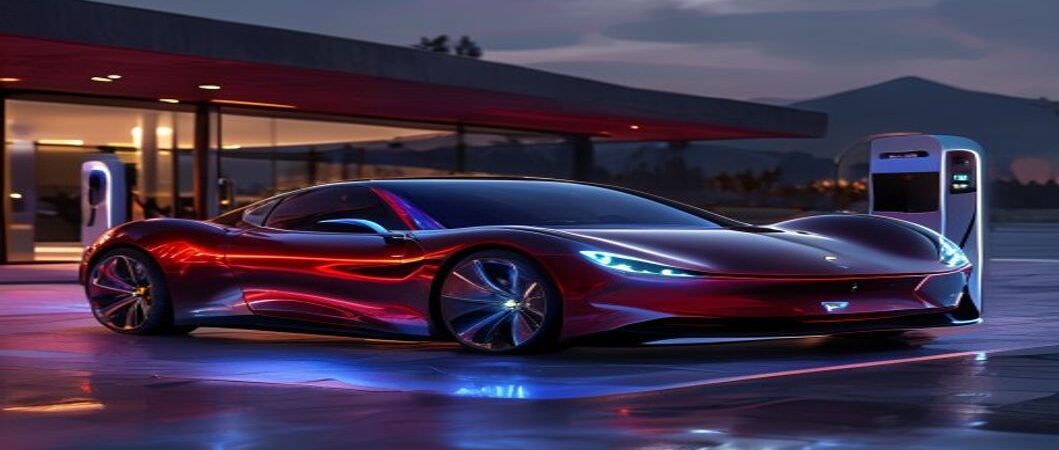
Ferrari’s Q1 Win: Beyond the Roar
Alright, let’s get down to brass tacks. Ferrari just reported their first-quarter results for 2024, and Wall Street analysts are doing cartwheels. The company posted some seriously impressive numbers that blew past consensus estimates. We’re talking about solid revenue growth, and perhaps more importantly, an earnings per share (EPS) that surprised everyone on the upside. This isn’t just a slight beat; it’s a confident stride forward.
The Numbers Don’t Lie
For Q1 2024, Ferrari (ticker: RACE) reported adjusted earnings per share of around €1.95. Now, analysts were kinda guessing it’d be closer to €1.75 or so. That’s a significant jump. Revenue? Up too, hitting something in the ballpark of €1.47 billion, again, higher than the €1.42 billion many expected. What does this tell us? People are still buying Ferraris. And they’re buying the expensive ones, too.
Deliveries were strong, especially for their higher-margin models. Think of it this way: they’re not just selling more cars, they’re selling *more profitable* cars. That’s the secret sauce for a luxury brand. They don’t need to move millions of units; they need to sell thousands of highly desirable, highly customized, incredibly expensive units. And they’re doing it.
What Wall Street Saw
Analysts aren’t just looking at past performance, though. They’re looking at guidance, at future plans. Ferrari didn’t just smash Q1; they reaffirmed their full-year guidance, which is a huge confidence booster in a somewhat wobbly global economy. It tells investors that the company sees this trend continuing. It also shows a solid order book, meaning people are queuing up for these machines for months, sometimes years, in advance. This kind of demand is basically a golden ticket.
And let’s be real, a big part of this confidence boost isn’t just about the V8s and V12s they’re selling *today*. It’s about their strategy for the electric future. It’s about how they plan to pull off what many consider to be the ultimate brand tightrope walk.
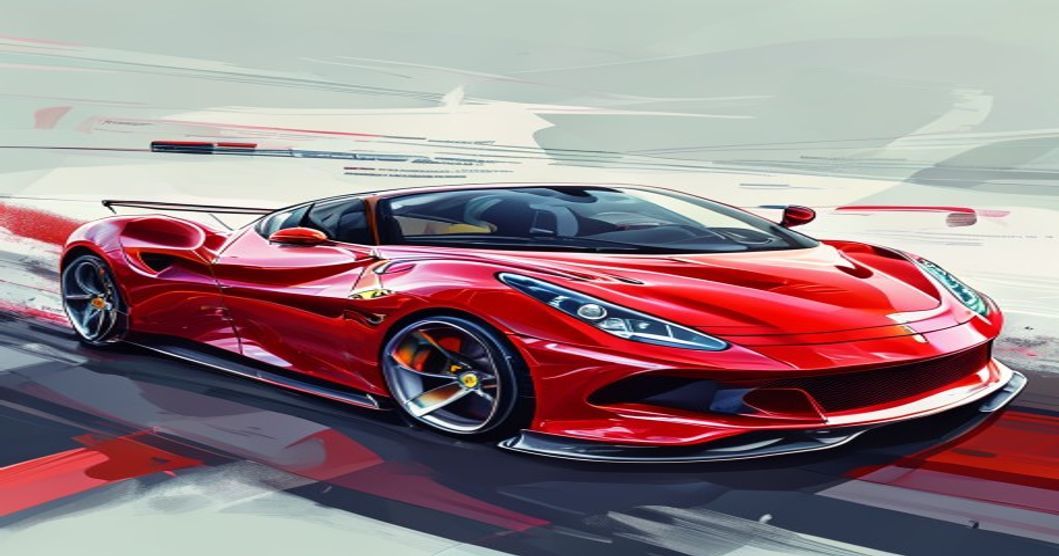
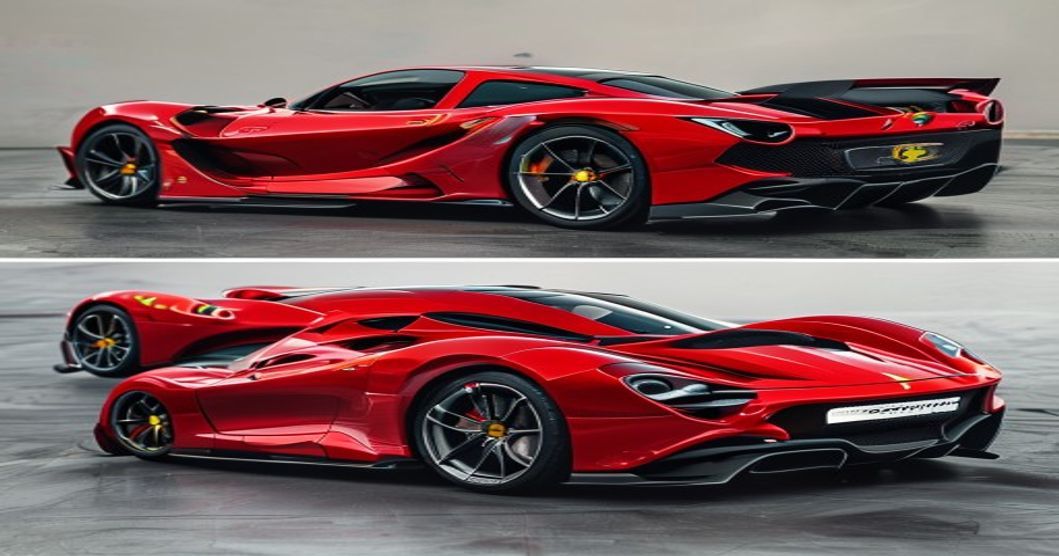
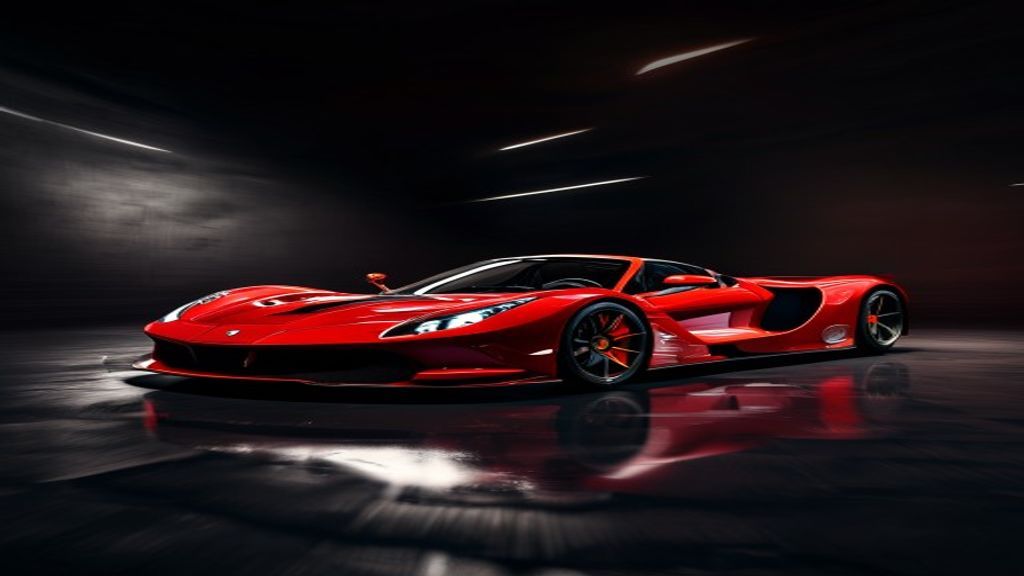
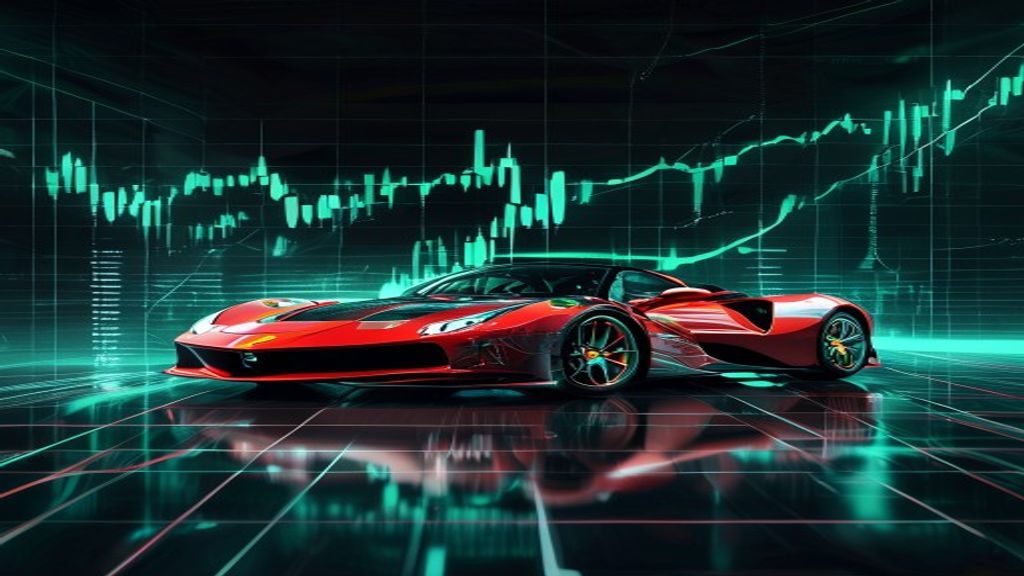
The Electric Prancing Horse: A New Era
This is where things get really interesting, and frankly, a little nerve-wracking for purists. Ferrari, a company synonymous with internal combustion, is going electric. Like, *really* electric.
From V12 Thunder to Electric Silence
For decades, a Ferrari’s engine was its soul. The symphony of a V12, the guttural roar of a V8 – that’s what defined the experience. Now, imagine that… silent. It’s a radical shift. The challenge for Ferrari isn’t just building a fast electric car; it’s building an electric car that *feels* like a Ferrari. How do you capture that passion, that visceral connection, without the mechanical heart of the machine?
They’re not just swapping an engine for a battery. They’re reinventing what a Ferrari can be. This means focusing on things like instant torque (which EVs are great at), unique driving dynamics, and maintaining that sense of exclusivity and artistry that makes a Ferrari, well, a Ferrari. It’s a design and engineering puzzle of epic proportions.
The First EV: What We Know
Ferrari’s first fully electric vehicle is slated for a late 2025 debut. That’s right around the corner. Details are still pretty scarce, but we know it’s going to be built at their Maranello factory in Italy, which they’re currently expanding to include a dedicated e-building. This facility will handle battery production, electric motors, and inverters, all in-house. That’s a massive investment and a clear sign they’re taking this seriously. They aren’t outsourcing the heart of their future products.
Expect it to be, no surprise, incredibly powerful. And expensive. Like, *really* expensive. We’re talking well over the typical supercar price tag, probably starting north of $500,000, easily. This won’t be a mass-market EV. It’ll be a hyper-exclusive, ultra-performance machine, designed to appeal to the same clientele who currently buy their V12s. They’re not chasing Tesla Model S buyers; they’re chasing the elite of the elite.
Why Ferrari’s EV Play Matters to Everyone
You might be thinking, “Alex, I’m never going to own a Ferrari. Why should I care about their quarterly earnings or their electric car plans?” Good question. And here’s why you absolutely should.
Ripple Effects in Luxury Tech
Ferrari isn’t just an automaker; it’s a luxury brand that sets trends. When Ferrari makes a move, the entire luxury goods market pays attention. Their success (or failure) in transitioning to EVs will be a huge case study for other high-end brands – think fashion houses, watchmakers, yacht builders – contemplating their own sustainability and tech pivots. It’s about maintaining brand desirability and exclusivity in a rapidly changing world.
This also impacts the tech sector. Who’s supplying the advanced battery tech? The infotainment systems? The AI-driven driving aids? Ferrari’s choices here will trickle down and influence suppliers, potentially driving innovation that eventually reaches more accessible vehicles. It’s a testing ground for the absolute bleeding edge of automotive technology, often wrapped in bespoke luxury materials.
Investor Opportunities (and Risks)
Even if you’re not investing in Ferrari directly, understanding this shift gives you insight into the broader market. Are luxury brands resilient during economic downturns? Can traditional titans adapt? What’s the premium people will pay for exclusivity, even in a tech-driven product? These are questions that apply to other investments too. For those considering dipping their toes into the luxury market, Ferrari’s performance offers a powerful benchmark.
Look — the transition to EVs is capital-intensive. It costs *billions*. Seeing Ferrari manage this while still delivering strong earnings suggests a robust financial position and savvy management. That’s something any investor, regardless of their portfolio, can appreciate.
Ferrari’s EV Strategy: How It Works
This isn’t about slapping some batteries into an existing chassis. Ferrari’s approach to electrification is as unique as the cars themselves.
Exclusivity as a Driving Force
Unlike mass-market manufacturers trying to hit volume targets, Ferrari thrives on scarcity. They intentionally produce fewer cars than the market demands. This maintains incredibly high resale values and keeps the brand aspiration at fever pitch. Their EV strategy will likely follow this playbook. Their first EV won’t be widely available. It’ll be for their most loyal (and wealthiest) customers.
This also allows them to control the narrative. They can roll out their EV, get feedback from their most important clients, and iterate before a broader (though still exclusive) launch. It’s a slow, deliberate, and highly curated approach, utterly different from, say, Ford or GM’s aggressive EV push. 👉 Best Strategy: Controlled Rollout. By keeping production low and demand high, Ferrari ensures its brand value remains premium, even as it innovates.
Battling Brand Dilution
The biggest fear for Ferrari isn’t losing speed; it’s losing its soul. An electric Ferrari needs to feel special. It needs to sound special (even if it’s an artificial sound, it needs to evoke emotion). It needs to handle like a Ferrari. The company is investing heavily in R&D to ensure the driving dynamics are unparalleled, the design is iconic, and the customer experience is unmatched. They know that if their EV feels like ‘just another fast electric car,’ they’ve failed. It’s about maintaining that emotional connection, that intangible ‘Ferrari-ness,’ that transcends the powertrain.
Ferrari vs. The World: Luxury EV Rivals
Ferrari isn’t operating in a vacuum. Other luxury automakers are also navigating the electric transition, each with their own unique strategies and challenges.
Who’s Charging Ahead?
- Porsche: They’re probably the furthest along in the pure luxury performance EV space with the Taycan. It’s a fantastic car, proving that electric can be exhilarating. Porsche’s approach has been more aggressive in terms of volume and market penetration, but still premium.
- Lamborghini: Ferrari’s arch-rival. Lamborghini has committed to a hybrid strategy first (like their Revuelto), with their first full EV expected a bit later than Ferrari, around 2028. They’re taking a slower, more cautious approach, perhaps learning from others.
- Aston Martin: They’ve had a tougher go of it, exploring partnerships and struggling with funding for their EV platform. Their first EV is still a few years out, and they’re facing different financial pressures than Ferrari.
- Rolls-Royce: On the ultra-luxury side, the Spectre EV is already here, offering an incredibly refined and opulent electric experience. Rolls-Royce isn’t about speed in the same way Ferrari is, but they’re defining luxury EV comfort.
Different Roads to Electrification
Each brand is charting its own course. Porsche is going for performance and broader (but still luxury) appeal. Lamborghini is emphasizing hybridization as a bridge. Ferrari is going all-in on a pure EV but maintaining extreme exclusivity. The common thread? No one wants to dilute their brand. They’re all trying to figure out how to keep their unique identity intact while embracing the inevitable electric future. 👉 Top Pick for Balanced EV Transition: Porsche. They’ve managed to integrate EVs without completely alienating their traditional customer base, offering both excellent ICE and EV options.
Is Investing in Ferrari’s EV Future Worth It?
Okay, let’s pivot to the money side. We’re talking about investing here, not just admiring pretty cars. Ferrari (RACE) isn’t your typical automotive stock.
The RACE for Returns
Ferrari often trades more like a luxury goods company (think Hermès or LVMH) than a traditional automaker. Its margins are ridiculously high, its brand equity is immense, and demand consistently outstrips supply. This makes it a relatively stable investment in the luxury segment. The strong Q1 numbers only reinforce this.
The upcoming EV is a catalyst. If Ferrari nails the transition, the stock could see significant upside as new market segments open up (even if those segments are still incredibly exclusive). There’s a ‘first-mover advantage’ in being the *first truly desirable luxury EV hypercar* for a certain type of buyer.
Navigating the Market
However, it’s not without risks. The EV transition is expensive. Any missteps in technology, design, or manufacturing could be costly. Also, while their brand is strong, there’s always the question of whether a completely silent Ferrari can truly capture the same magic for *all* buyers. Plus, it’s a high-multiple stock, meaning it’s already priced for a lot of growth. So, while Q1 was great, future performance needs to continually justify that premium valuation.
For investors, it’s about weighing that incredible brand power and execution against the inherent risks of a major technological shift. It’s a fascinating play. 👉 Best Investment Approach: Long-term hold for growth investors. If you believe in the enduring power of luxury and Ferrari’s ability to execute, it’s a stock to consider for your diversified portfolio, but expect volatility.
Getting Ready for the Electric Scuderia
So, what does all this mean for us, the tech enthusiasts, the financial watchers, and the general public?
What to Watch For Next
Keep an eye on any further announcements about the upcoming EV. What will its name be? What are the key specs? How are they going to manage the sound (or lack thereof)? These details will reveal more about their strategy. Also, watch subsequent earnings reports to see if this Q1 performance is a trend or a one-off. Any shifts in guidance, any slowdown in order books, could be important signals.
Also, pay attention to competitor moves. If Lamborghini or Aston Martin accelerate their EV plans, how does Ferrari respond? The luxury EV landscape is still forming, and flexibility will be key.
Beyond the Hype: Due Diligence
Real talk: it’s easy to get swept up in the glamour of Ferrari. But if you’re looking at this as an investment, do your homework. Read their annual reports. Understand their balance sheet. Don’t just buy a stock because the car is pretty. The Q1 results are definitely positive, but one quarter doesn’t make a decade. It’s a strong indicator, though, that Ferrari is steering into its electric future with confidence and financial muscle.
🔗 Recommended Tools & Resources
- 📚 Best AI & Passive Income Books on Amazon
- ⚡ Download Our Free AI Automation Guides & Templates
- 📨 Join 10,000+ AI Money Makers — Free Weekly Newsletter
This post may contain affiliate links. We earn a small commission at no extra cost to you, which helps support our free content.